What is inside a faucet and why it fails
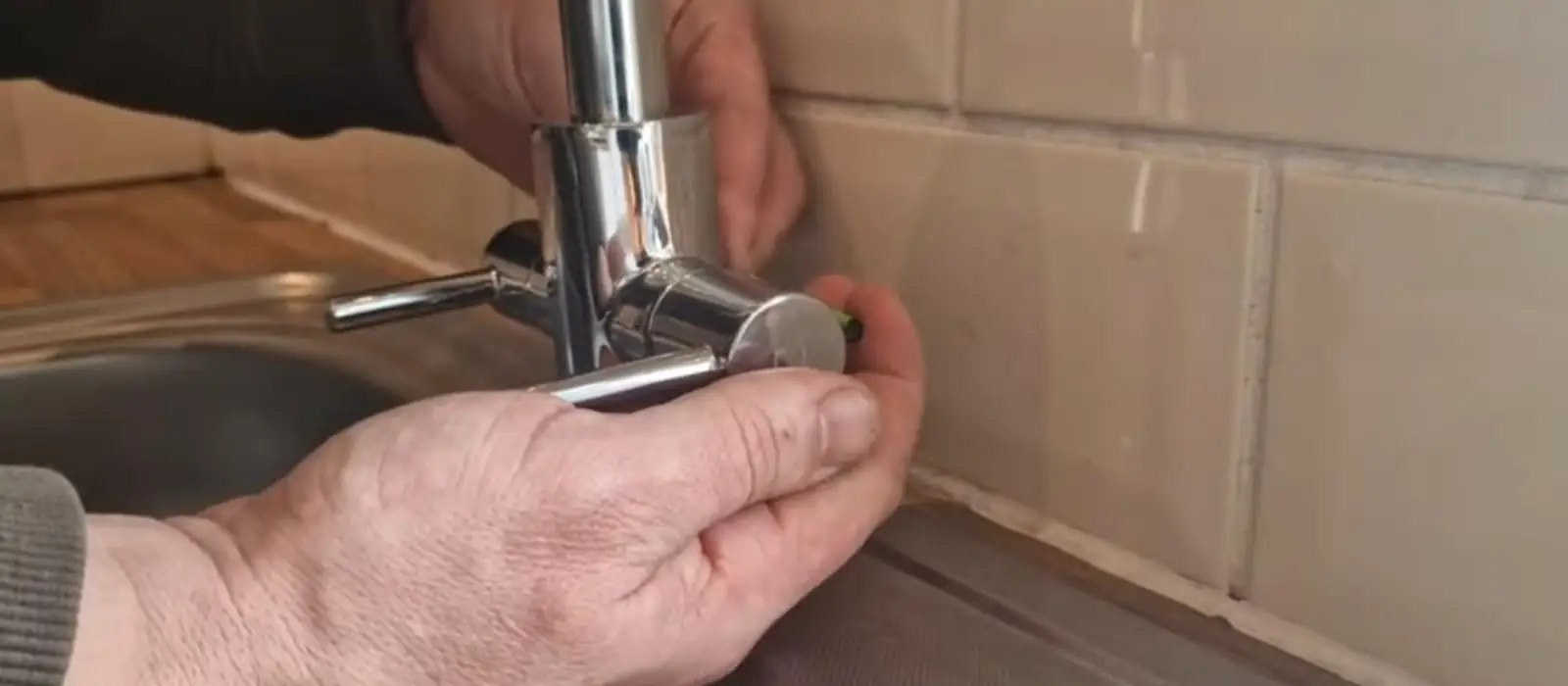
A faucet is a small valve with parts that wear. Compression faucets use rubber washers that harden. Cartridge faucets use a cylinder that scars or clogs. Ball and ceramic disc faucets use seats and springs that wear with age. Which type you have decides the repair.
| Symptom | Likely cause | Fix |
|---|---|---|
| Drip from the spout | Worn washer, seat or cartridge | Replace the worn part. |
| Leak around the handle | Worn O ring or loose packing nut | Replace the O ring or tighten. |
| Leak at the base | Failed gasket or a cracked body | Replace the gasket or the faucet. |
| Low flow | Clogged aerator or cartridge, or a partly closed supply valve | Clean the aerator or replace the cartridge. |
| Handle hard to turn | Mineral buildup | Clean or replace the cartridge. |
| Hot and cold mix wrongly | Failed cartridge or crossed supply | Replace the cartridge or check the supply. |
Low flow is often a clogged aerator
The small screen at the tip of the spout is the aerator. Mineral flakes and sediment collect there and choke the flow. Unscrewing and cleaning it takes a few minutes. If flow is still weak after cleaning, the cartridge or the supply valve may be the cause. Check whether low flow affects one faucet or the whole house. If it affects the whole house, a larger plumbing problem may be involved, and our leak detection page may help.
Before you call about a faucet
- Shut the small valves under the sink if the faucet will not turn off.
- Unscrew the aerator and rinse out any grit.
- Check the supply lines under the sink for drips or corrosion.
- Note the brand and finish if you can, since it helps with parts.
- Keep the old cartridge or part if you can.
Repair or replace the faucet
Many faucets can be repaired for a small part cost. A faucet that is corroded, pitted or built by a brand that no longer sells parts is usually better replaced. When you choose a new faucet, the finish and the mount type matter as much as the brand. We install faucets you supply or help you pick a model that fits your sink. Replacement belongs under our plumbing installation work.
Close the supply
We shut the valves under the sink and protect the cabinet.
Open and inspect
We take the faucet apart and look at each part to see which one failed.
Replace the part
We install the new part or the new faucet and clean the connections.
Test
We run hot and cold, check for drips and make sure the valves work.
Howell note: hard water and faucet parts
New Jersey American Water's 2025 Coastal North report, which lists Howell as a distribution sampling location, shows total hardness of 72 to 140 mg/L. That is moderate hardness. Over years it leaves scale on aerators and inside cartridges, which cuts flow and makes handles stiff.
Cleaning the aerator twice a year helps. If your faucet clogs again within months, the scale may be coming from an older water heater or old galvanized lines in the house, and a closer look is worth the time.
Faucet dripping or leaking?
Call to book a faucet repair or replacement.
What affects faucet repair pricing
A drip fix and a faucet swap are very different jobs.
Insurance does not cover a worn faucet. A sudden supply line break that floods a room may be covered. Photograph the damage and call your agent.
Call (732) 466-1098 for a clear price.
An outdoor faucet that drips or freezes is a separate job, and we cover it here as well. If you see a wet cabinet that is not coming from the faucet, check our leak detection page.
What a drip costs
According to the EPA, a faucet that drips at the rate of one drip per second can waste more than 3,000 gallons per year. A cartridge or washer usually costs far less than a year of that water and the sewer charge that rides with it.
Questions homeowners ask
A worn washer, seat or cartridge. The part usually costs little and the repair is quick.
Yes. The O ring or packing is usually the cause and is simple to replace.
The aerator or cartridge is often clogged with minerals. Cleaning or replacing it usually restores flow.
Yes. Outdoor spigots can drip or crack in cold weather, and we repair or replace them.
If they are old, kinked or corroded, yes. They cost little and prevent a flood.